The engine. Co-owned, nature-powered city infrastructure.
Tap to see the footage clean
EDEN XI Corporation
The engine.
EDEN XI Corporation builds co-owned, nature-powered city infrastructure: the sensing network, the aquaponics network, and the data behind them.
Filling In The Gaps
Sensing Network
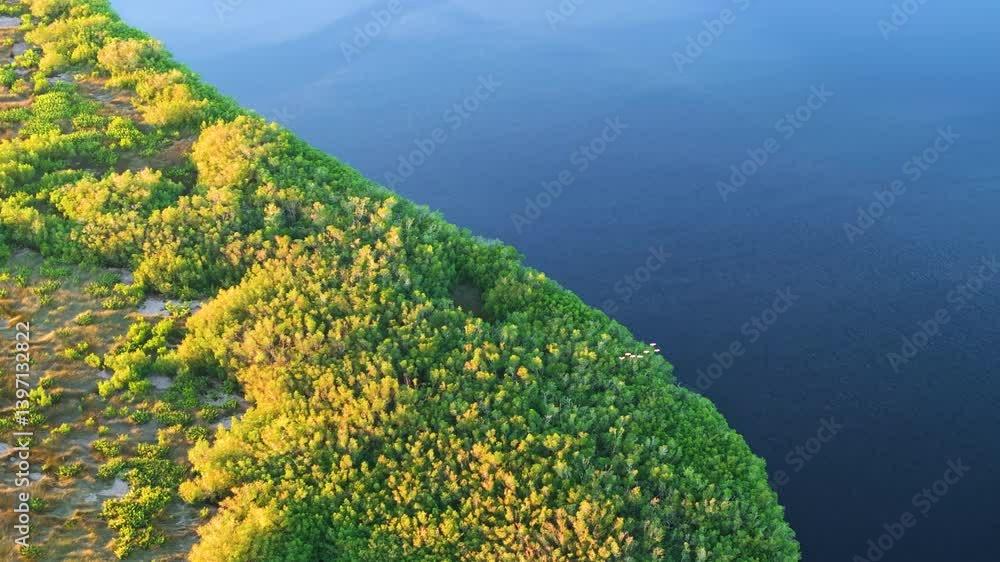
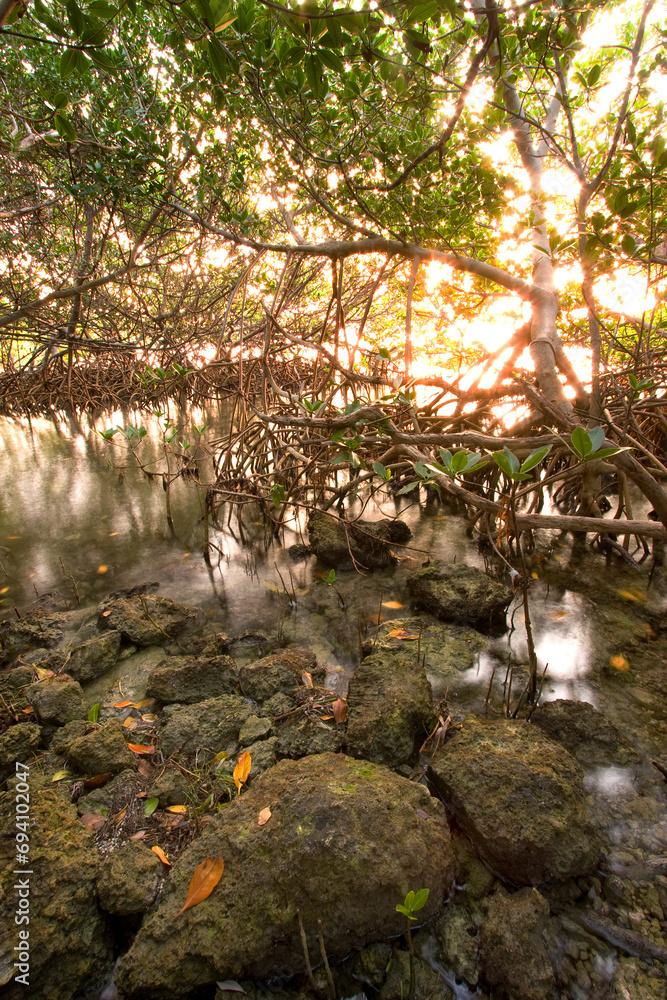
At the other end is the conservation side: a network of self-powered sensors in places that have no power line and no signal — the mangrove fringe, the canals, and the stretch where fresh water turns to salt. The data shows where restoration is needed most and warns before an algal bloom starts, so it can be stopped.
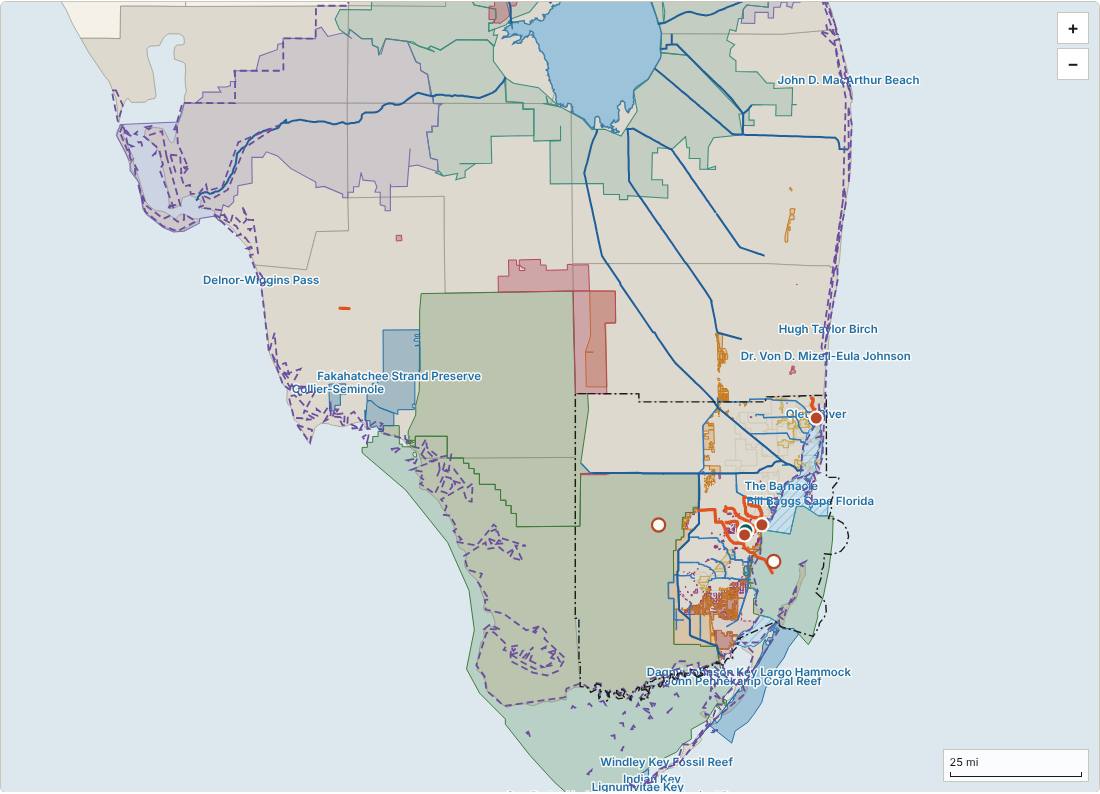
THE SENSING NETWORK · DEPLOYMENT MAP
Where the sensors go — from the Everglades to the coastal edge.
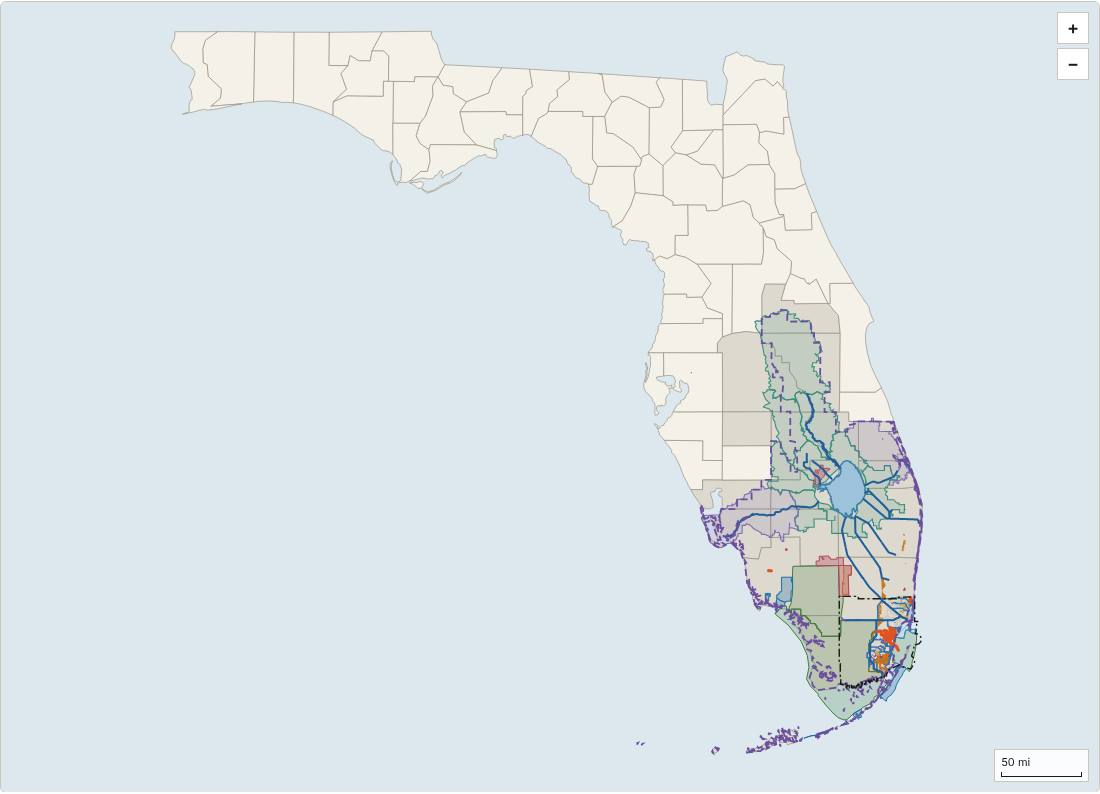
FLORIDA
SOUTH FLORIDA · EVERGLADES TO THE COAST
KEY
Context
Florida counties
SFWMD district boundary
Miami-Dade County line
Municipal boundaries
Jurisdictions
National Park Service
South Florida State Parks (DEP)
DEP Aquatic Preserve
County parks (Deering etc.)
EEL sites (County)
SFWMD lands
Tribal lands
Community Redevelopment Areas
Water
Target canals (EDEN XI)
Lake Okeechobee
Lake O watershed + estuary basins
Lake O / regional canals
Miami-Dade primary canals
Soils
Freshwater peat soils
Points
Deployment sites
South Florida counties are shaded darker. The purple dashed line is the South Florida Water Management District, the regional water authority for 16 counties. Federal lands are green, District lands orange, tribal lands rose. Every deployment site is in Miami-Dade.
THE SITES
West Perrine campus — EDEN XI headquarters and campus. Data hub and aquaponics end of the system; not a sensor site.
Bel-Aire Canal (C-1N) — Canal station candidate, at the West Perrine CRA edge.
Deering Estate — Miami-Dade Parks, with the CERP Biscayne Bay Coastal Wetlands flow-way.
Oleta River State Park — Florida State Park (DEP). Existing Plant-e pilot site; saline mangrove fringe.
South Biscayne Bay — Aquatic Preserve (DEP) and Biscayne National Park. The mangrove shoreline is the edge of study.
Everglades National Park — Deep sawgrass peat baseline; NPS research permit required.
Boundaries from the agencies' own published GIS layers, simplified for the screen.
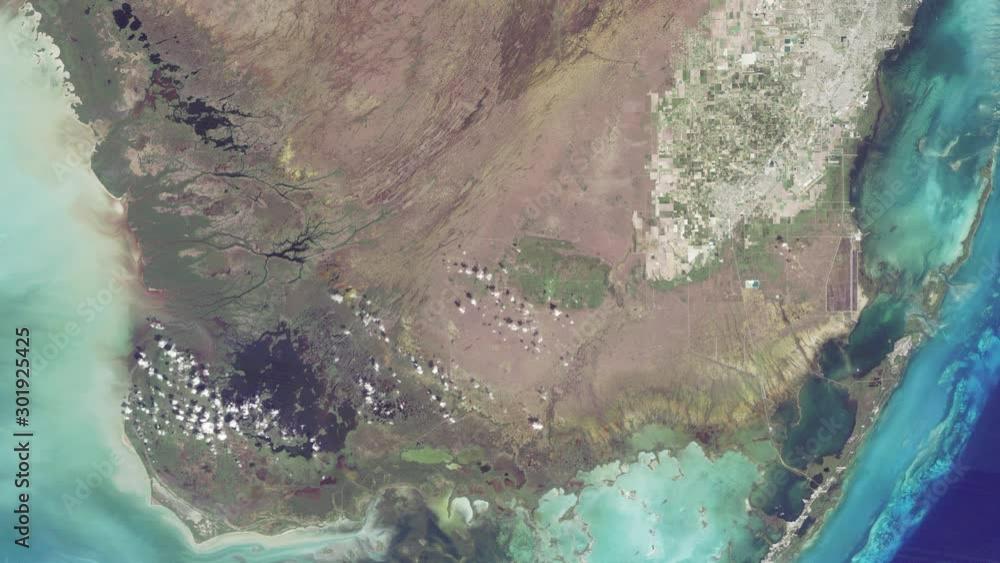
The sites are chosen to follow water as it moves. Fresh water starts in the Everglades peat, is carried east by the canals, and meets salt water at the mangrove fringe along the Bay. Placing stations along that whole line — fresh, brackish and salt — means one network can show how the water changes on its way to the coast, where nutrients build up, and where a bloom is most likely to start.
THE OLETA DEPLOYMENT
A section through the estuary. The river's mouth, not its source.
Six sticks, three salinities, one estuary.
Each station is a pair of Plant-e SensorSticks. They are powered by living plants and the microbes around their roots, so there are no batteries to change and no power line to run. They record water level, temperature and water or soil conditions every one to two hours and send the readings by satellite, which is why they work where nothing else does.
HOW IT WORKS
The energy was always there in the roots.
Aquaponics Network
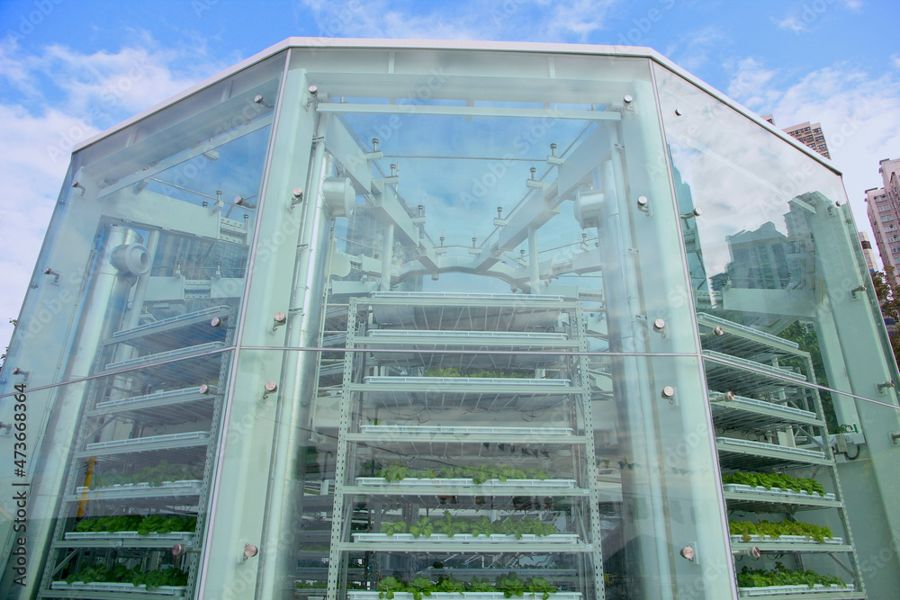
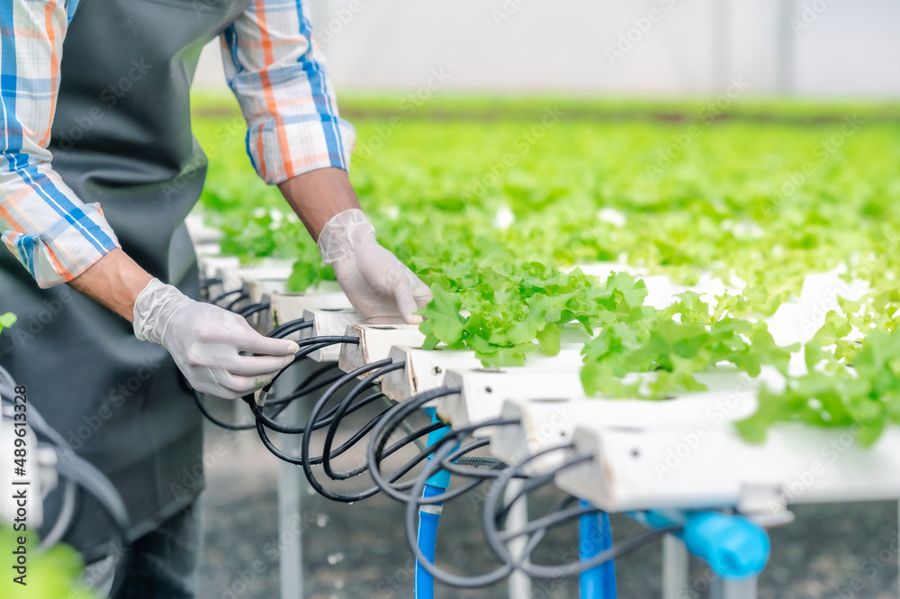
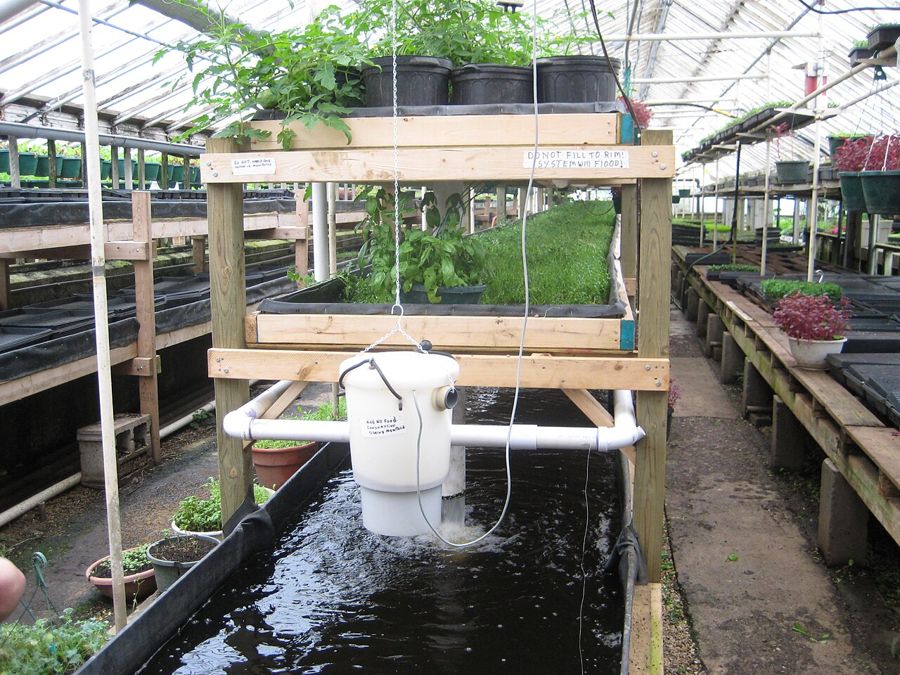
On Lot 18, closed-loop aquaponics raises fish and plants together: the fish feed the plants, the plants clean the water, and the water goes back to the fish. Nothing is wasted, and there are no food miles, because food is grown where it is eaten.
THE THREE LOOPS
Same path three times, at three salinities. Nothing leaves the loop.
Three loops. The third is drawn and waiting.
Most of what is eaten here is grown far away and trucked in, so it costs more, travels farther and loses freshness on the way.
THE GLOBAL PLATE
Three aisles. Pick anything. It will tell you where it came from.
FEBRUARY 2027 · MIAMI DISTRICT
updated monthly
PRODUCE
Mango
PERU
Avocado
MEXICO
Blueberry
CHILE
Banana
GUATEMALA
Grapes
S. AFRICA
Tomato
NETHERLANDS
SEAFOOD
Shrimp
INDIA
Salmon
CHILE
Tilapia
CHINA
Tuna
THAILAND
Snapper
MEXICO
Scallop
JAPAN
PANTRY
Matcha
JAPAN
Coffee
BRAZIL
Jasmine rice
THAILAND
Olive oil
SPAIN
Cacao
CÔTE D'IVOIRE
Black pepper
VIETNAM
Shrimp
INDIA
Penaeus vannamei · whiteleg shrimp
Visakhapatnam → PortMiami · 9,840 miles by sea, 32 days · farmed, frozen
INTO THE U.S.
— lb
this month
INTO SOUTH FLORIDA
— lb
Miami customs district
LANDED VALUE
$ —
customs value, district
WHOLESALE PRICE
$ —
per lb, Miami market
LOST BEFORE EATING
— %
retail and household
GROWN ON CAMPUS
Blue prawns
Lot 18 · biofloc media bed
Volume and landed value from US Census trade data by customs district. Price from USDA Market News. Loss rate from USDA ERS loss-adjusted availability, national. Distance is port to port, fixed.
Thirty-two days at sea for something that can be grown four miles from the table.
THE HIDDEN BILL
The same dinner. What it costs, and what it really costs.
FEBRUARY 2027 · MIAMI-DADE RATES
recalculated monthly
WHAT YOU PAY
$8.40
SHELF
WHAT YOU PAY
$6.10
$5.40
1,200 gal
WATER
$0.90
200 gal · recirculating
$2.80
sea freight, trucking, cold chain
FUEL
$0.30
pumps and lights, solar-fed
$1.10
packaging, spoilage, trimmings
WASTE
$0.15
trimmings composted on site
TRUE COST
$17.70
TOTAL
TRUE COST
$7.45
THE SAME GAP, SCALED
$10.25
one plate
$ —
a household, one year
$ —
Miami-Dade, one year
Water priced at Miami-Dade WASD residential rates. Fuel from EIA diesel and container freight indices applied to the route in The Global Plate. Waste at the county tipping fee per ton. Shelf price from USDA Market News, Miami.
Nobody is billed for the difference. It is paid anyway.
DATA, DESIGNS & METHODS
Every system EDEN XI builds is documented so it can be built again.
A school, restaurant, developer or agency that wants its own system buys a replication.
A REPLICATION
The design set
The materials
A monthly service planafter it is running
The research test siteOffered to studies that need a working system.
The dataset and the bloom modelEDEN XI owns them, and licenses them to the Foundation and to partners.
If it can't be measured and shown, it can't be trusted.
WHAT WE BUILD WITH
Every material has a second question: what does it become afterward?
MATERIALS
Salvaged heart pine
FROM Demolition, South Florida
AFTER Milled again, or burned clean
Oolite limestone
FROM The ground under Miami-Dade
AFTER Crushed to aggregate
Recycled aggregate
FROM Crushed demolition concrete
AFTER Crushed and poured again
Mycelium panel
FROM Grown on agricultural waste
AFTER Composts in the bed
Hemp-lime
FROM Hemp hurd and lime binder
AFTER Broken up, spread as soil
Reclaimed steel
FROM Structures taken down
AFTER Melted, rolled, used again
TECHNOLOGY
SensorStick
FROM Assembled in the tech bay
AFTER Modules swapped, shaft re-set
Controller board
FROM Standard parts, socketed
AFTER Repaired, or components harvested
Printed enclosure
FROM Reground plastic, printed here
AFTER Reground and printed again
Power storage
FROM Bought in, cells and casing
AFTER Certified handler. Not closed.
HOW IT REACHES YOU
Construction
We build it, and we stand behind what's in the wall.
Consulting
We spec it, source it and show the numbers to your team.
Products
We make goods from it on the campus floor.
One line on this board doesn't close yet. We printed it anyway.
OUR IMPACT
What we will count, and how we will count it.
0
BUILDS COMPLETED
counted at final inspection sign-off
0
PARTNERS ADVISED
counted at signed scope of work
0
UNITS PRODUCED
counted off the floor log at the end of each run
0
SALVAGED MATERIAL USED
weighed on the scale ticket at delivery
0
SENT TO LANDFILL
weighed on the hauler's ticket
0
CLOSED-LOOP MATERIALS
counted off the materials board at each revision
Every tile names the moment its number is produced. A tile with no honest method stays off the page rather than reading as a promise.
HELD BACK
Food miles avoided. It needs a baseline — what the same food would have travelled had we not grown it — and we don't have one yet. Until we do, the number would be a claim rather than a measurement.
One of these counts against us. It stays on the page.
The Living System
What We Protect. What We Grow.
South Florida’s Endangered Ecosystems
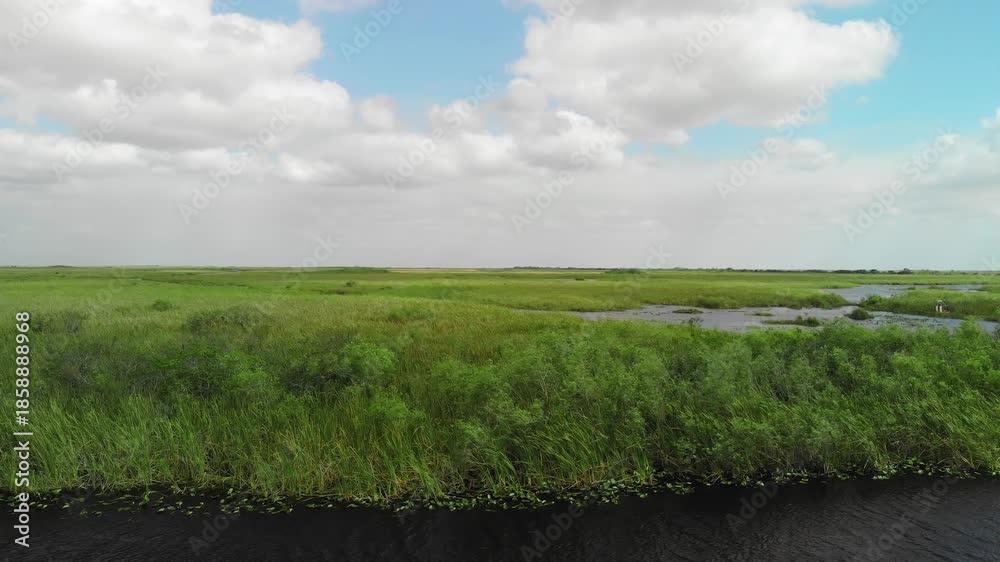
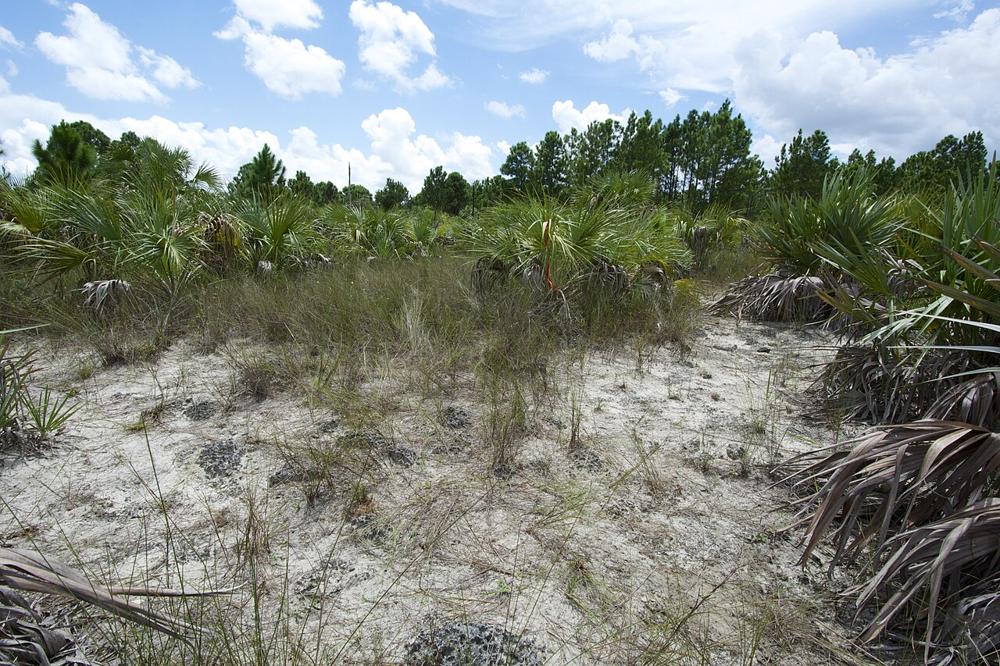
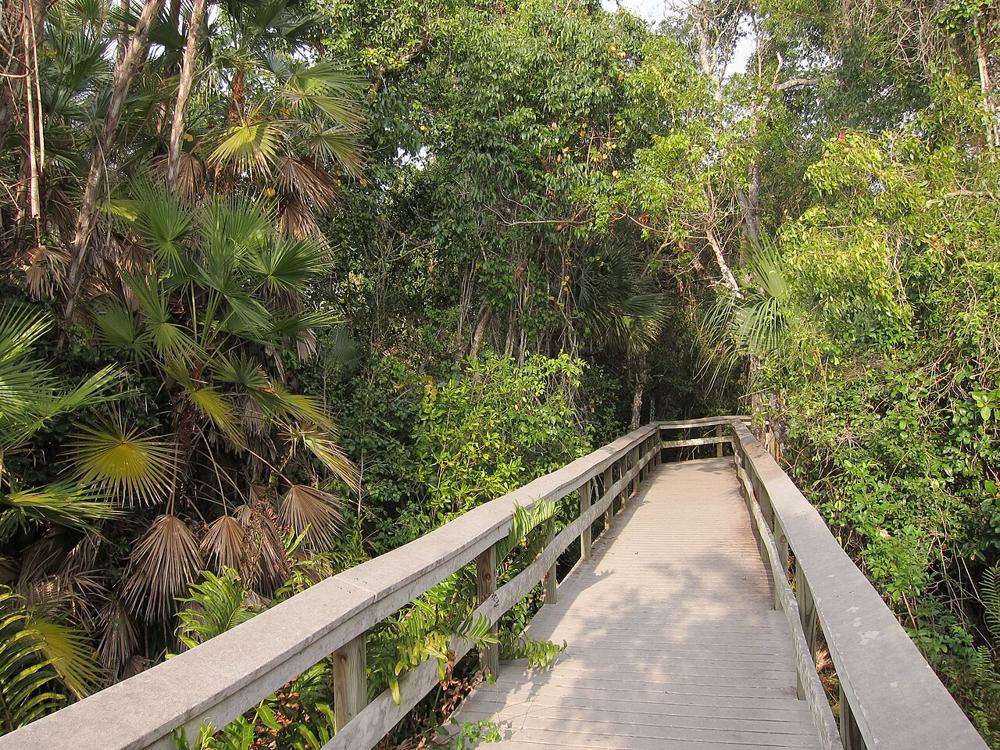
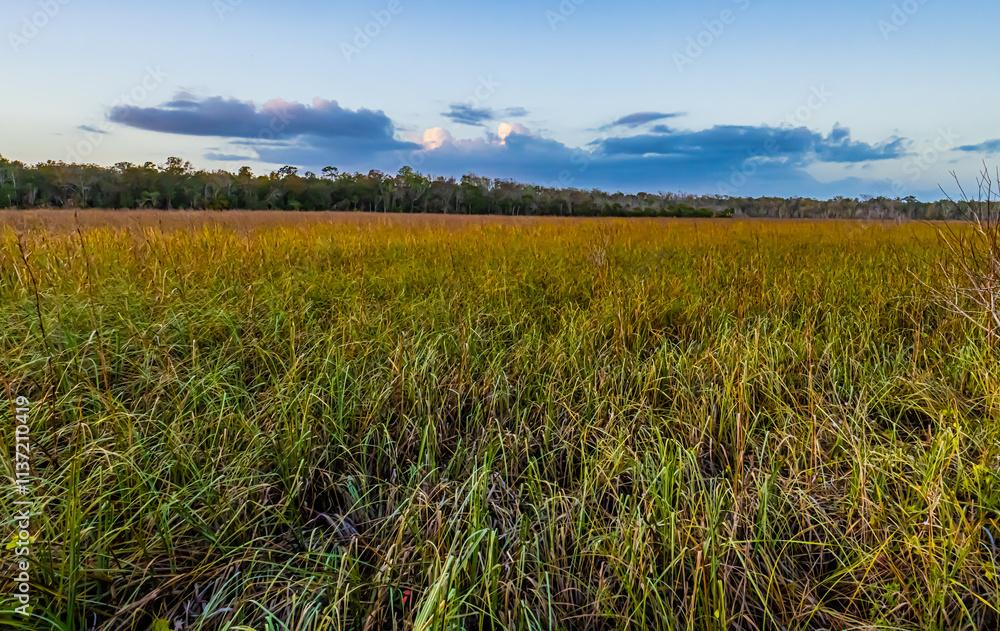
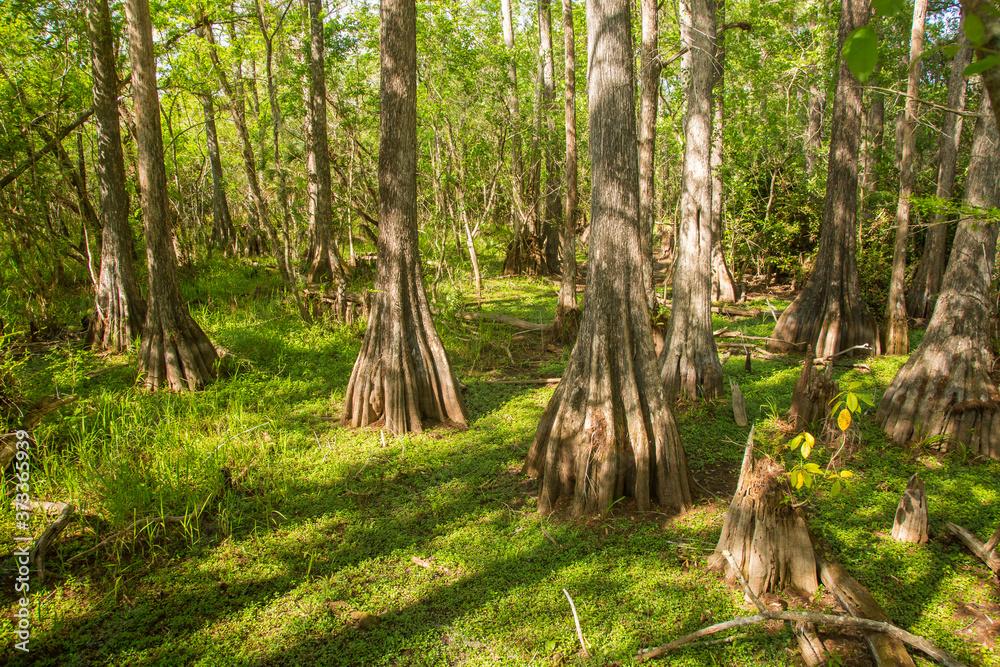
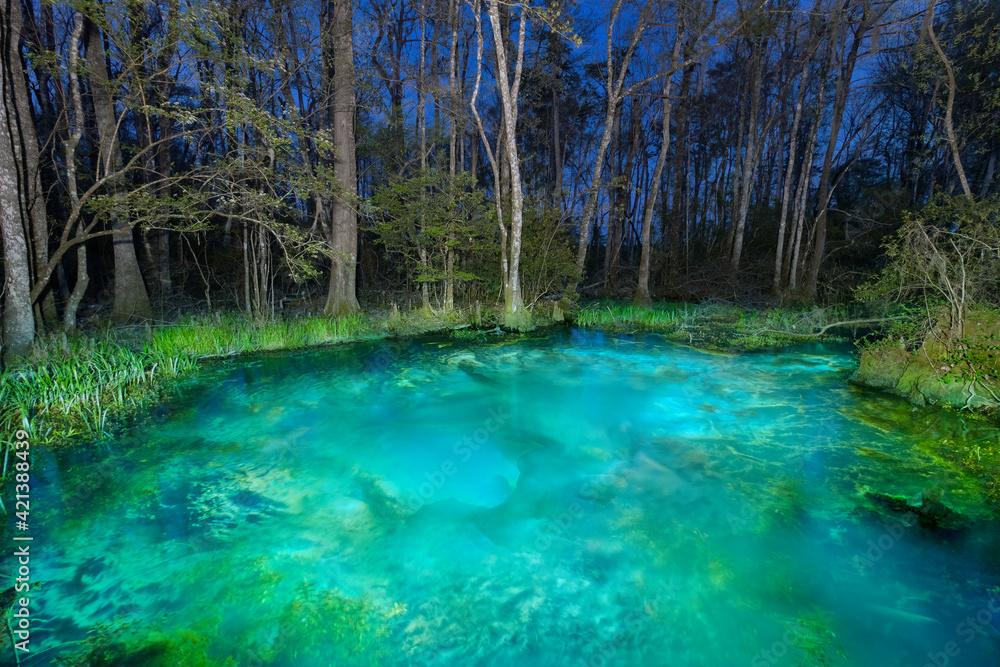
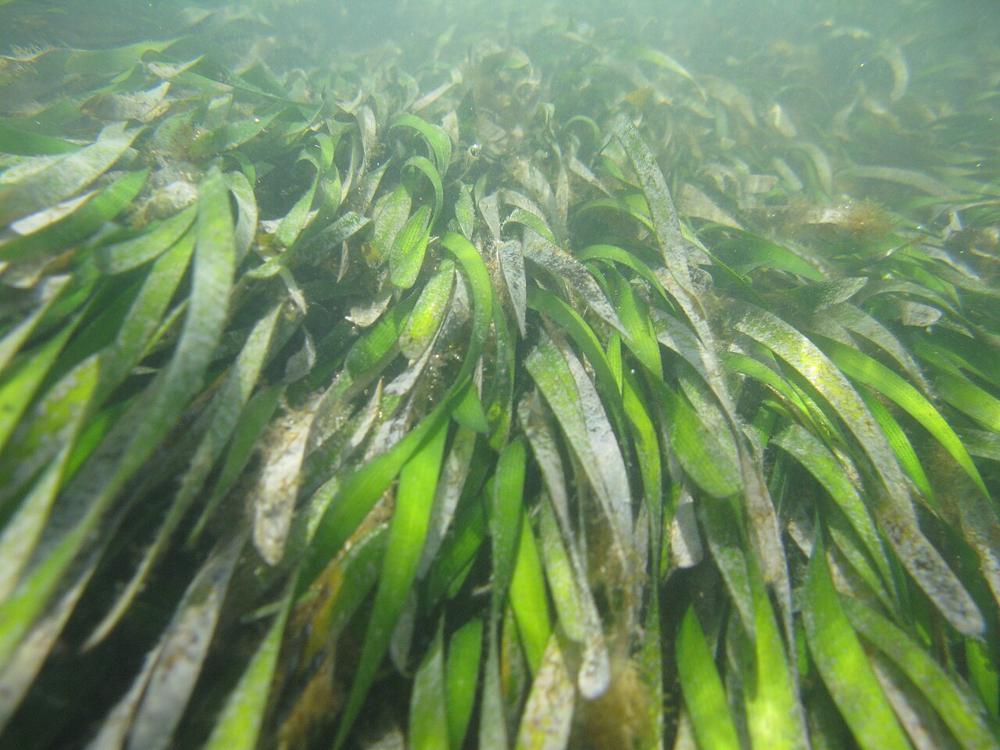
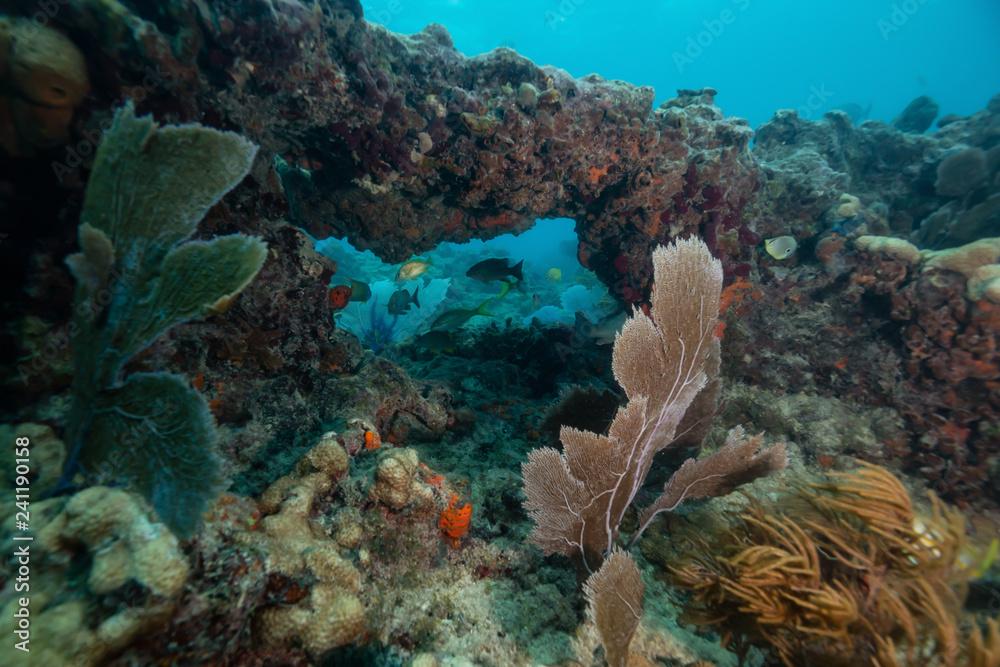
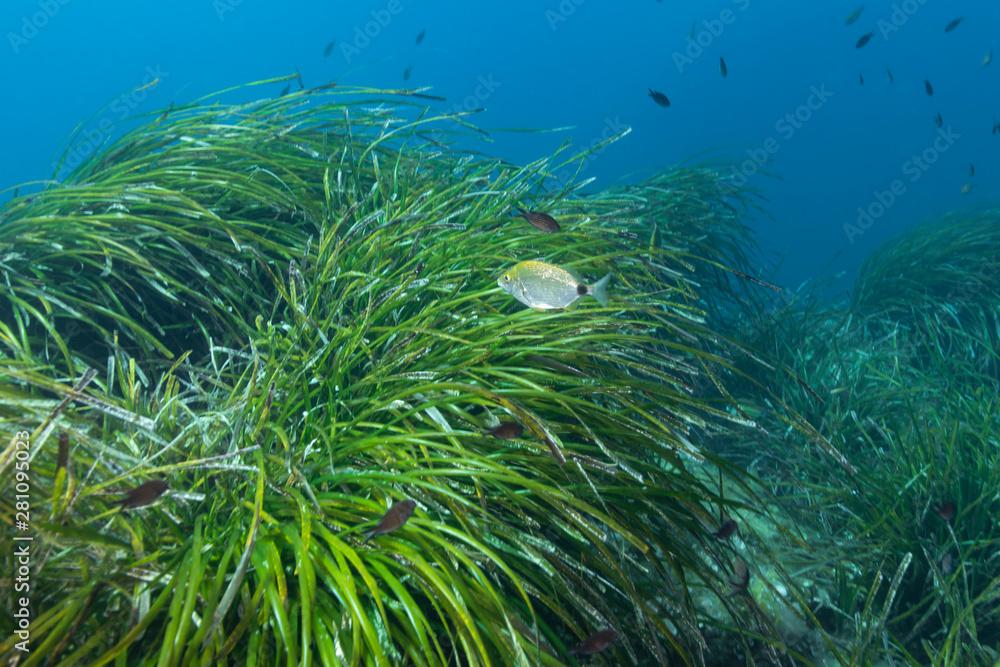
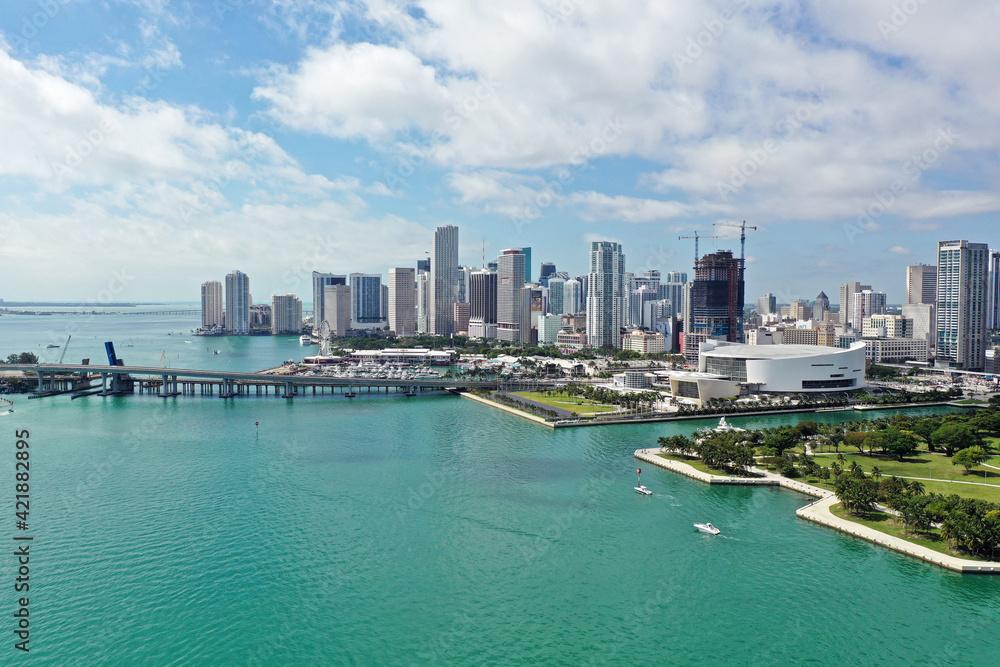
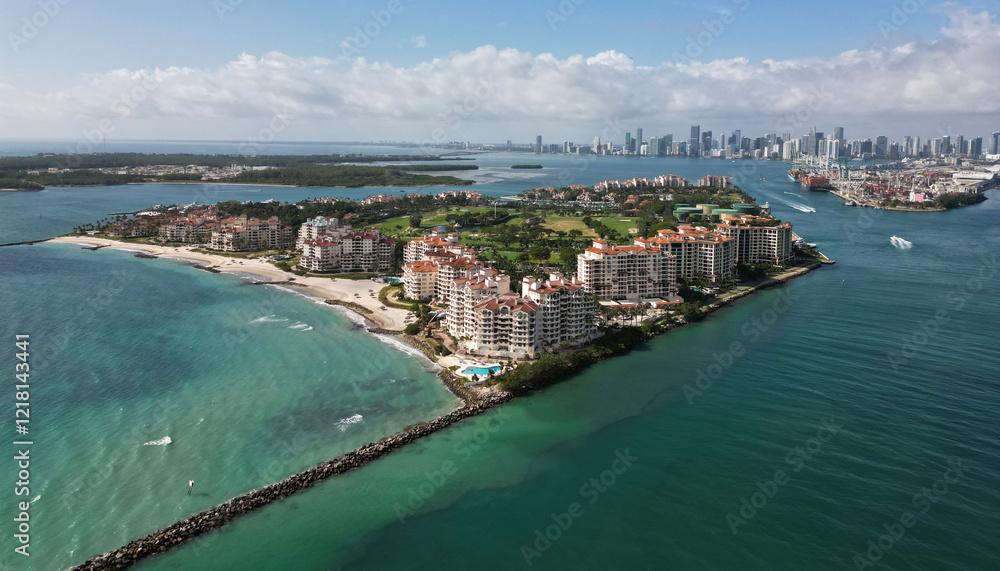
Everglades from the airPine rocklandTropical hardwood hammockSawgrass prairieCypress swampSpring, McBride's SloughTurtle grass, Everglades NPCoral reefSeagrass meadowBiscayne BayMiami Beach shorelineWetland birds in flightA coastline in retreat
Native Waters
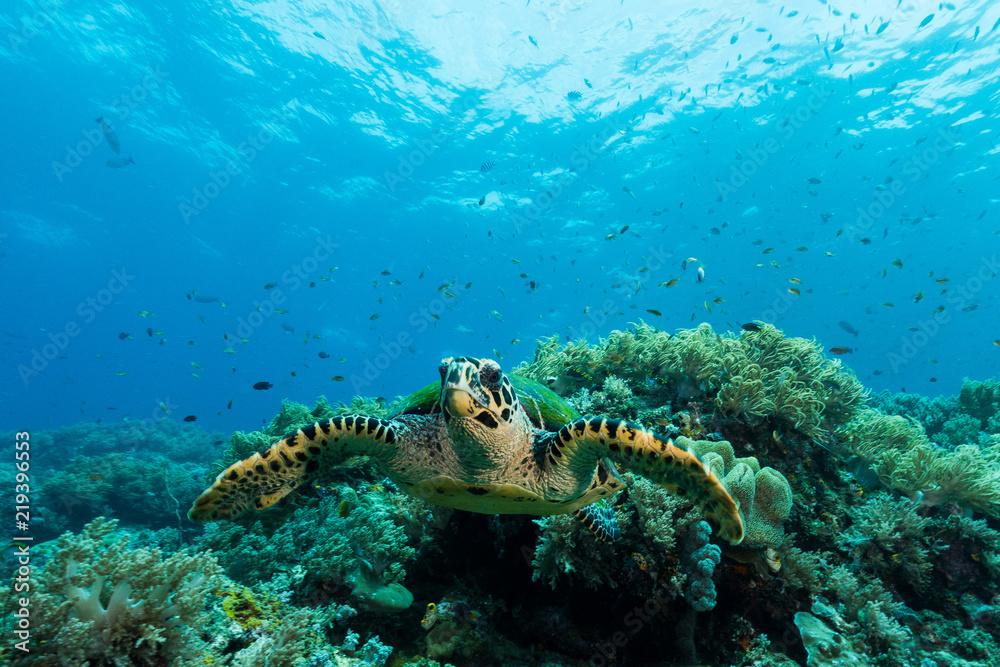
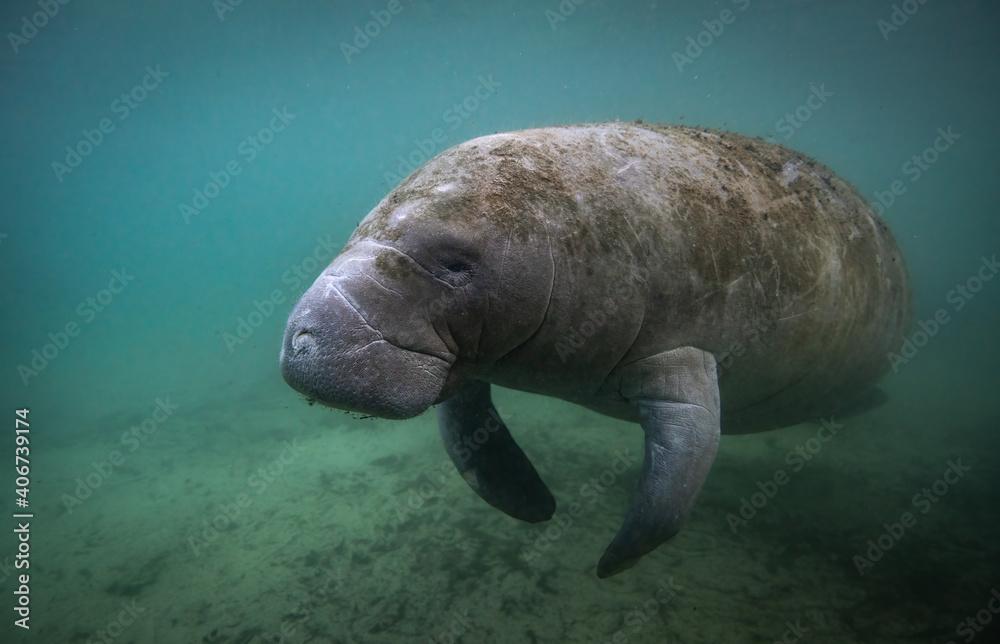
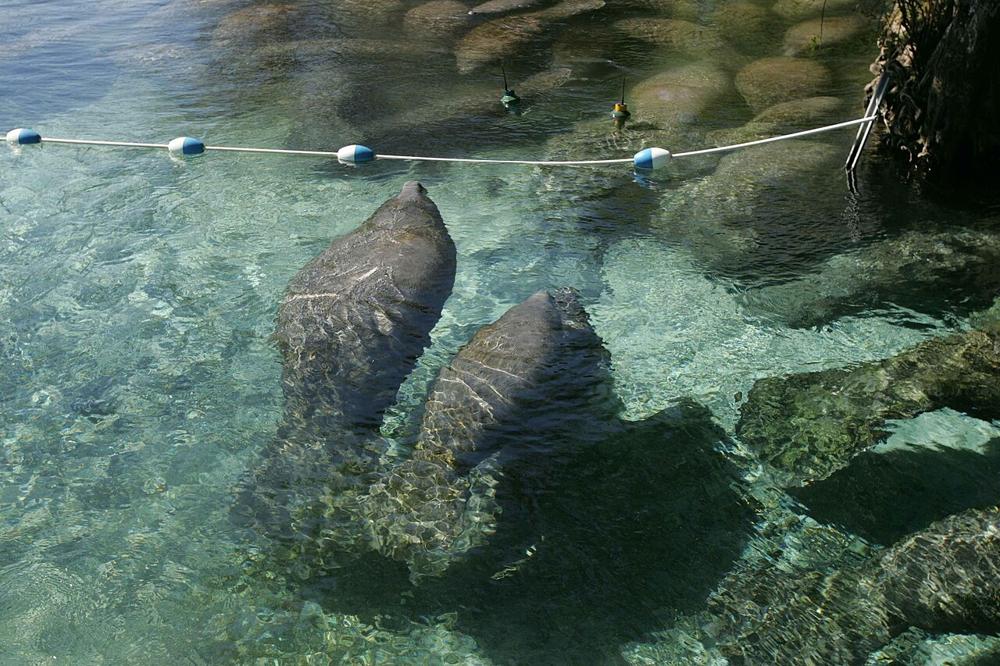
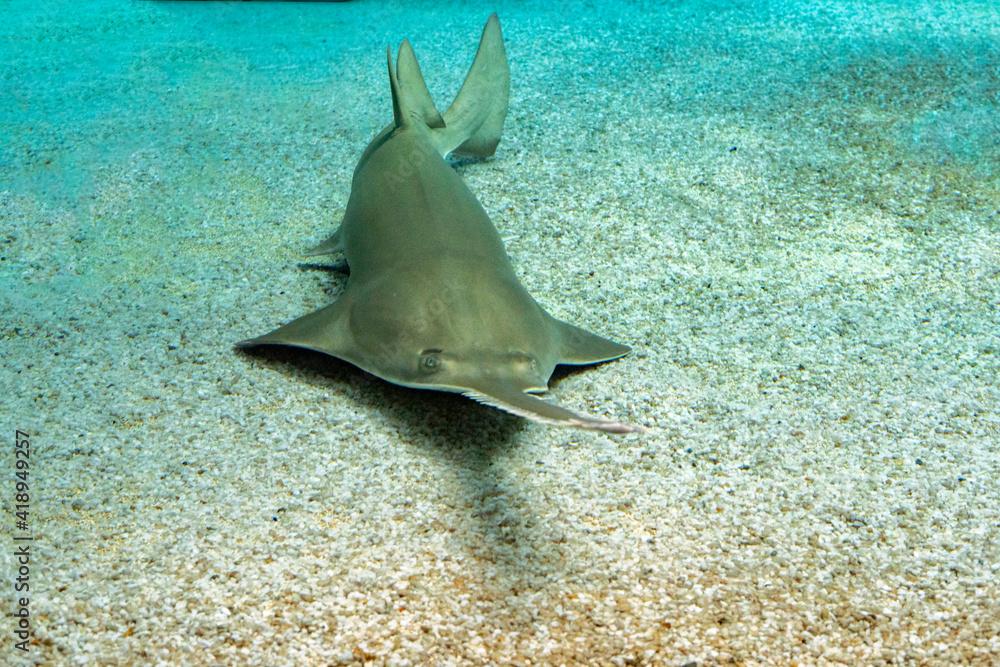
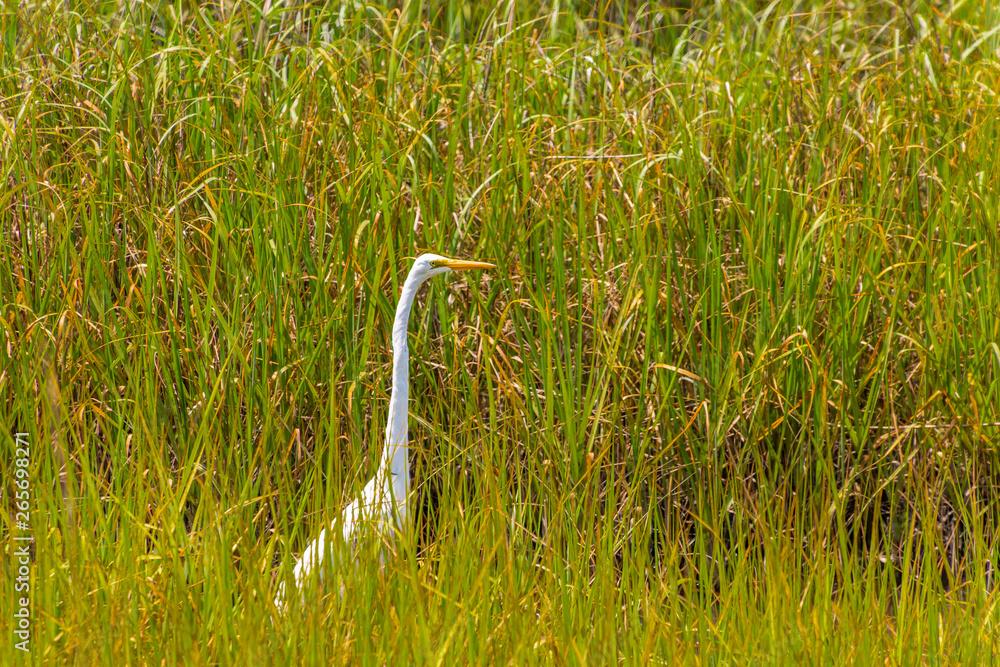
Loggerhead sea turtleWest Indian manateeFlorida manateesSawfish, close-upSnowy egret in wetland grass
Native Plants
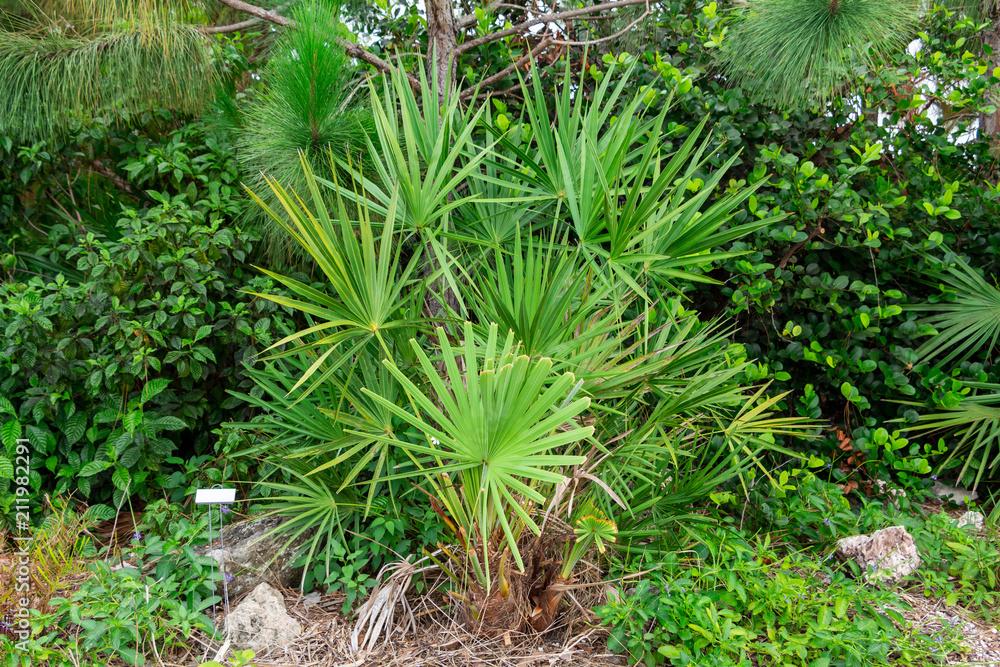
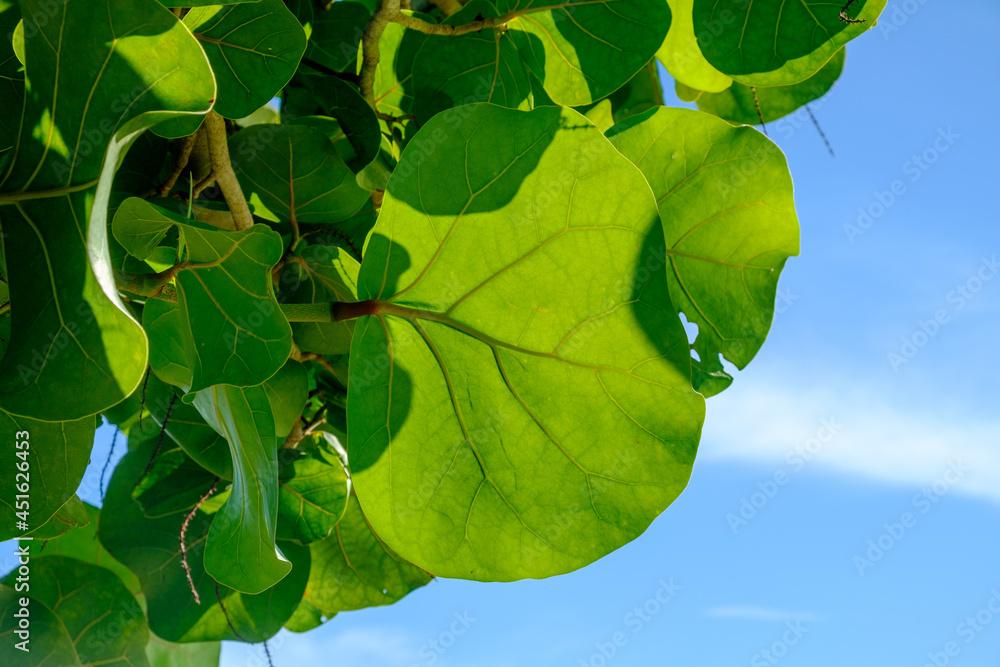
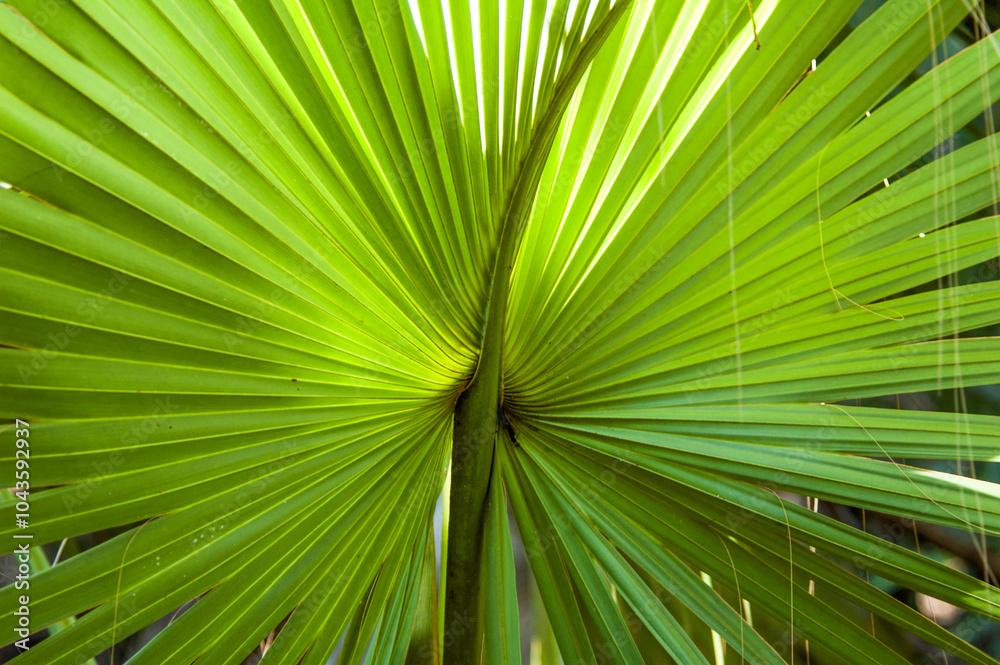
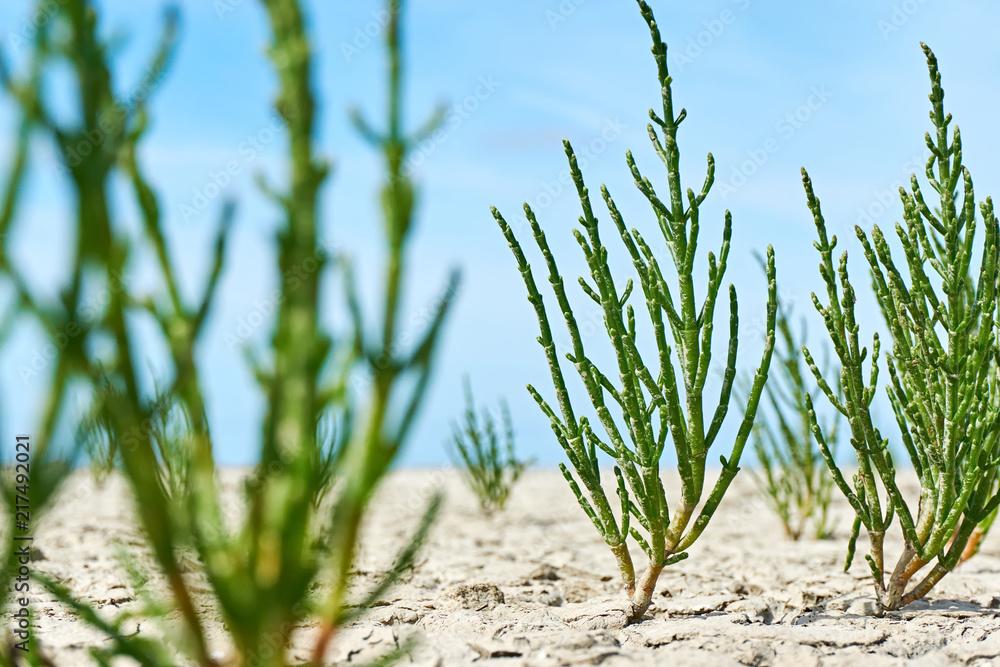
Red mangrove, Key LargoSaw palmetto, DavieSea grapeCabbage palmGlasswort / saltwort family
In the System
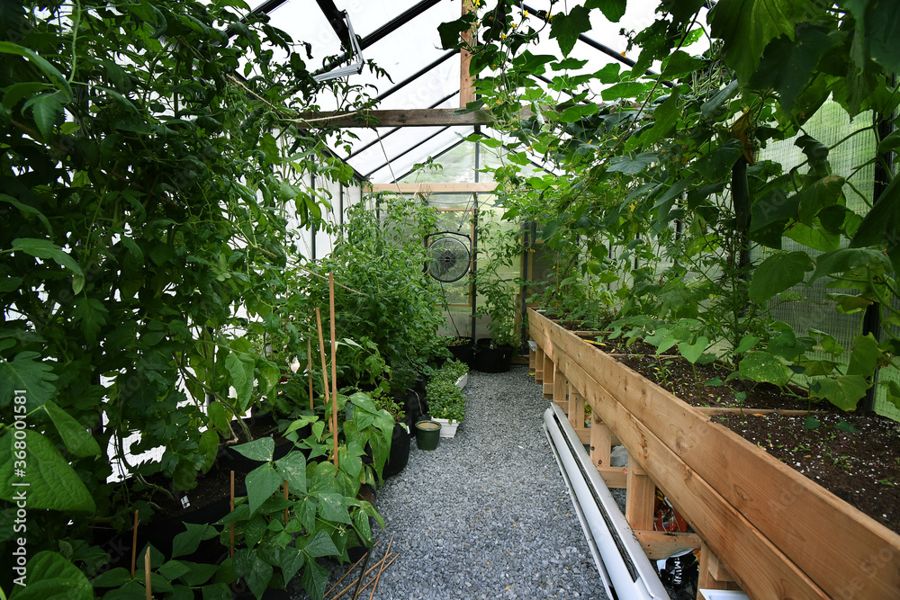
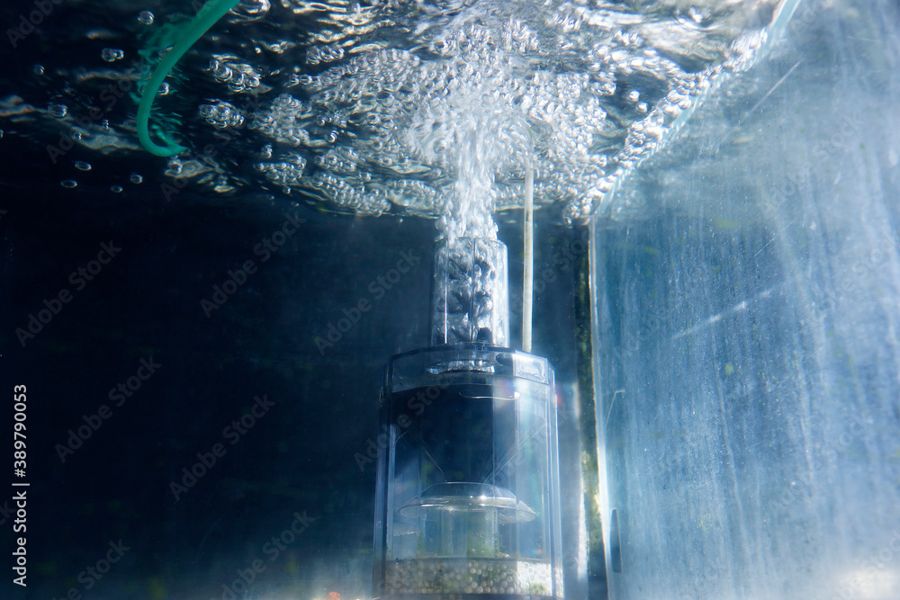
Aquaponics greenhouseAquaponicsRecirculating aquacultureVertical hydroponicsHydroponicsAquaponics at Growing Power, Milwaukee